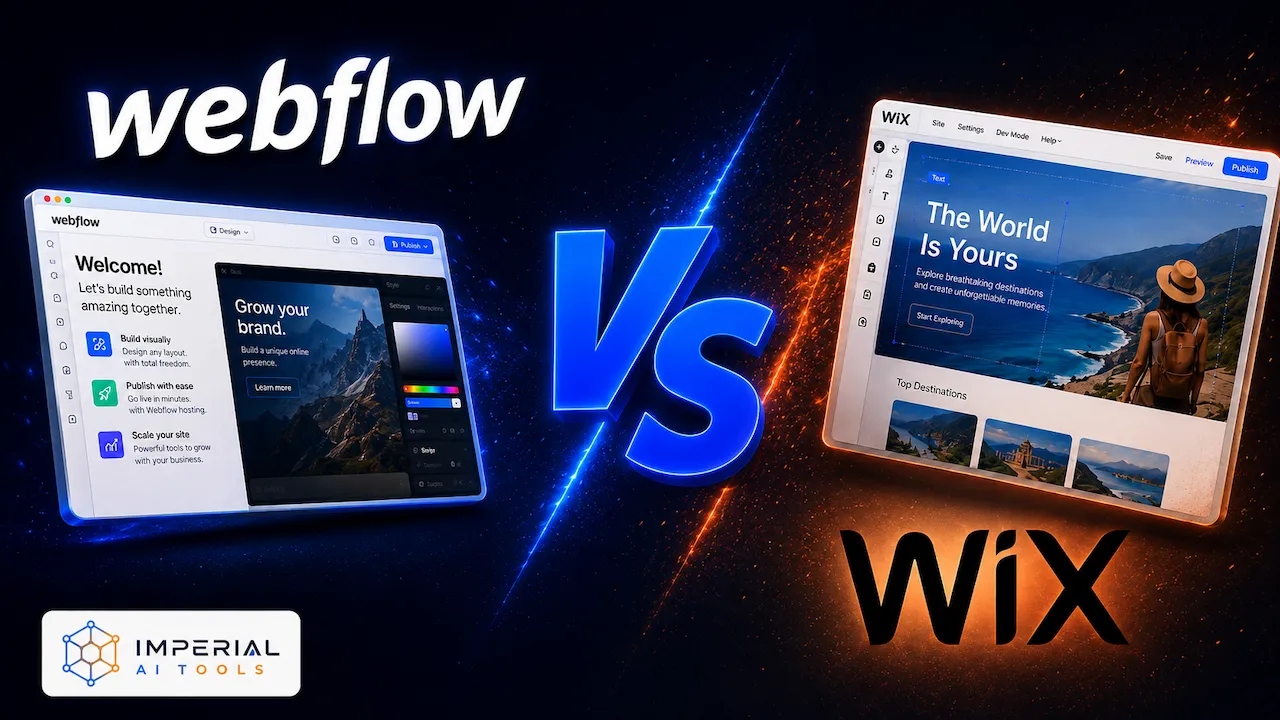

I’ve built client sites on both platforms for years, and the honest answer is that “Wix vs Webflow” isn’t really a fair fight they’re built for different people. Wix wants you managing your whole business from one dashboard. Webflow wants you controlling every pixel and every line of exported code. Below is what I found after pricing both out, running speed tests, and pushing each through a real ecommerce setup.
This Wix vs Webflow comparison looks beyond marketing claims and examines the factors that matter most in real projects: pricing, ease of use, design flexibility, SEO, ecommerce, hosting, performance, code export, and scalability. By the end, you should have a clear idea of which platform fits your skills, budget, workflow, and long-term business goals in 2026 for your project.
What Is Wix?
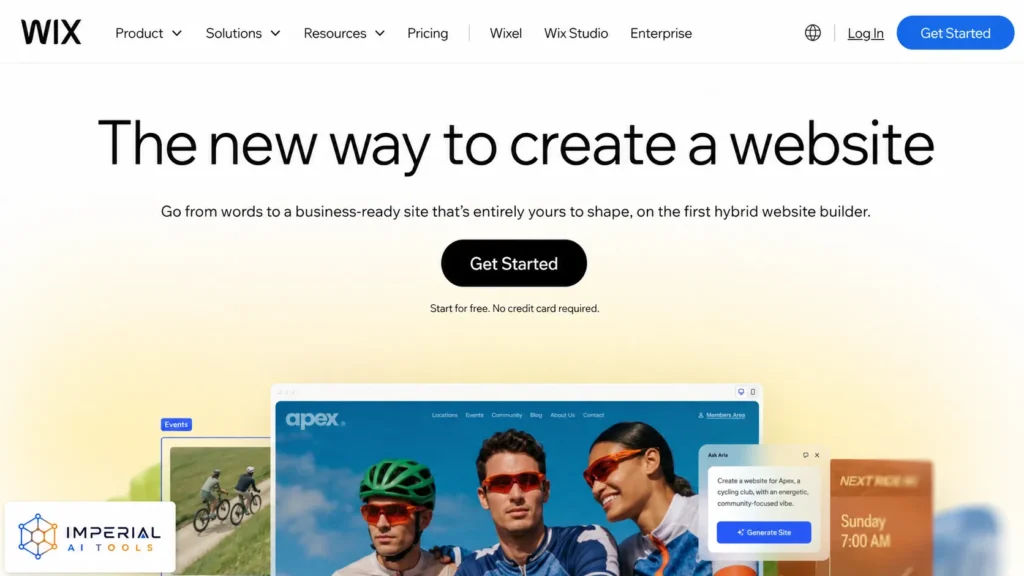
Wix is a cloud-based, all-in-one website builder created for people who want to design, publish, and manage a website without coding or handling servers. Its drag-and-drop editor combines templates, hosting, domain connection, ecommerce, bookings, marketing tools, forms, and basic customer-management features inside one dashboard. The platform is mainly aimed at beginners, freelancers, local businesses, service providers, bloggers, and small online stores. Users can start with a template or AI-assisted setup, customize the design, add business features, and publish quickly without working directly with HTML, CSS, or JavaScript.
Wix’s main strength is convenience. Most essential tools are already integrated, making it easier to run a business website without connecting several third-party services. Its main limitation is reduced technical freedom. Users cannot export the full website code, and highly customized layouts or complex development workflows may feel restrictive.
The most powerful act is making your vision a reality and pursuing business on your own terms. It involves dedicating yourself fully and making a meaningful impact.
What Is Webflow?
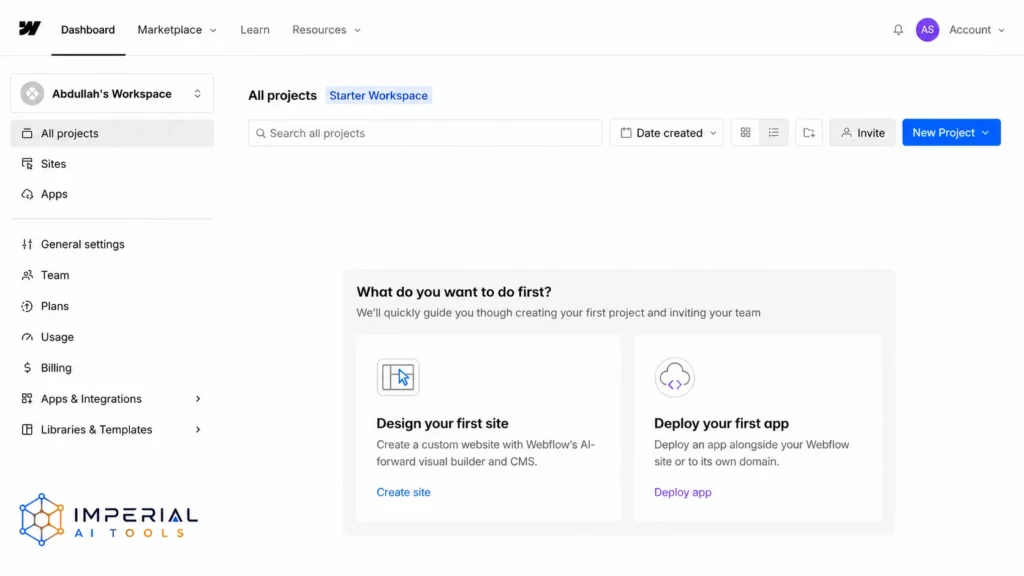
Webflow is a visual website-building platform designed for users who want no-code tools with deeper control over layout, responsiveness, and front-end structure. Its editor reflects real HTML and CSS concepts, allowing users to manage containers, spacing, typography, classes, breakpoints, animations, reusable components, and responsive behaviour through a browser.
The platform is best suited to professional designers, agencies, developers, marketing teams, and content-heavy businesses. Its CMS helps organize scalable content such as blog posts, case studies, directories, resources, and landing pages. Webflow also offers managed hosting, collaboration features, ecommerce tools, and code export on eligible paid plans.
Webflow’s biggest advantage is design flexibility. Users can create highly customized websites and control how every section behaves across desktop, tablet, and mobile. The trade-off is a steeper learning curve, especially for anyone unfamiliar with the CSS box model, classes, positioning, or responsive breakpoints.
Quick Comparison Table
If you only read one table on this page, make it this one it covers the five factors that actually change people’s minds.
| Factor | Wix | Webflow |
|---|---|---|
| Best for | Beginners, small business, all-in-one management | Designers, agencies, structured content |
| Starting price (2026)* | ~$17/mo (Light plan) | ~$14/mo (Basic Site plan) |
| Learning curve | Low — guided setup, AI builder | Moderate to steep — visual CSS box model |
| Code export | Not available | Yes, clean HTML/CSS/JS export |
| Ecommerce depth | Strong native tools, easier setup | Flexible design, thinner native commerce features |
Pricing 2026: What You’ll Actually Pay
Advertised “starting at” prices rarely match what you pay once you add a business email, more bandwidth, or ecommerce.
- Wix tends to bundle more into each tier marketing tools, a booking system, basic CRM so the sticker price buys more out of the box.
- Webflow separates the Site plan from Workspace/collaboration seats, and costs climb fast once you add CMS collections, localization, or multiple editors. For a simple brochure site, both land in a similar range.
For an agency managing five client sites or a store needing subscriptions and multi-currency checkout, Webflow’s add-ons and Wix’s ecommerce-tier jump both need to be priced out line by line before you commit.
Wix vs Webflow Hosting, Code Export and Data Ownership
Both platforms host your site for you the difference shows up the day you want to leave.
Hosting
Wix hosting is fully managed you never touch a server or configure DNS beyond connecting a domain. Webflow is also fully hosted, running on a global CDN, but gives more visibility into how the site is actually built.
Code Export and Data Ownership
Webflow gives you a genuine code export option on paid plans, which matters if you ever want to change hosting providers or hand a project to a developer. Wix doesn’t offer code export, though both platforms let you export your content and contacts.
Best Value by Scenario
For a simple brochure site, Wix is usually cheaper once you count the bundled extras. For a content-heavy blog or resource site, Webflow’s CMS pricing pays for itself in flexibility. Agency-managed sites tend to favor Webflow for the code ownership and multi-client workflow, while a small shop selling a handful of products often does fine and saves money on Wix’s native ecommerce plan.
Wix vs Webflow for eCommerce
This is where the platforms diverge most compare the full selling workflow, not just storefront design.
Product and Inventory Management
Wix bundles inventory, variants, subscriptions, and abandoned-cart recovery directly into its ecommerce plans good for a store owner who wants one login and no extra apps. Webflow handles products and variants well but leans on third-party apps for deeper inventory automation.
Checkout, Payments and Transaction Costs
Webflow gives you more checkout design freedom and connects to major payment gateways, though transaction fees and tax rules should be checked against your own product catalog. Wix’s checkout is more templated but keeps fees and setup simpler out of the box.
Marketing and Customer Retention
Wix’s native marketing suite covers coupons, loyalty, and email automation without added apps. Webflow relies more on third-party apps for memberships, loyalty programs, and retention tools, which adds cost and setup time but keeps design fully custom.
How to Switch From Wix to Webflow
Migrating isn’t a one-click job. Here’s the order that actually works.
Audit and Export Your Content
Start by auditing your existing Wix site every URL, page title, form, and tracking script. Export what content you can (products, blog posts, contacts, media) and flag anything that needs manual re-entry.
Rebuild the Design System in Webflow
Set up typography, classes, and CMS Collections before touching individual pages, so the new site has a consistent foundation instead of a page-by-page patchwork.
Preserve SEO and Launch
Map every old URL to a 301 redirect, re-test forms and analytics, then lower your DNS TTL before pointing the domain over so you can catch issues fast.
Wix Pros and Who Should Not Use It
Wix’s strength is also its limit: the all-in-one ecosystem is fantastic until you need something it doesn’t offer natively.
Wix Pros
One login, integrated marketing and booking tools, and zero server maintenance make Wix the faster, cheaper route from idea to live site for most small businesses.
Who Should Not Use Wix
It’s not the right fit for a designer who wants full creative control, or a developer who wants to own and export code. For nearly everyone else, it’s a genuinely strong option.
Conclusion
Wix and Webflow both rank among the strongest website builders in 2026, but they win for different users. Wix is the better choice for beginners, solo business owners, and small teams that want fast setup, built-in marketing tools, bookings, ecommerce, and simple day-to-day management. Webflow is better for designers, agencies, developers, and content-heavy businesses that need precise responsive design, scalable CMS structure, and code export.
For most non-technical users, Wix offers the easier and more practical route from idea to published website. For users who value creative freedom, structured content, and long-term design control, Webflow is worth the steeper learning curve.
Frequently Asked Questions
Wix bundles more business tools into its plans; Webflow separates Site and Workspace costs. Webflow can get pricier with CMS, seats, or ecommerce added. Always compare current annual pricing in your region before buying.
Webflow scales more naturally for design-led, content-heavy sites with multiple contributors. Wix scales well for businesses leaning on its native commerce, booking, and CRM tools. It depends on what “growth” means for you.
Yes, both support custom domains on paid plans. Wix often includes a first-year domain voucher with annual plans. Webflow connects existing domains, with registration typically handled through an external registrar.
It depends on your priorities. If you value design control and code ownership over convenience, yes. If you want built-in marketing and commerce tools without extra setup, Wix is usually the more practical starting point.
Mostly, yes. You can export blog posts, products, contacts, and media, but design and page structure must be rebuilt manually in Webflow, since there’s no direct one-click migration tool between the two.