What Is Canva?
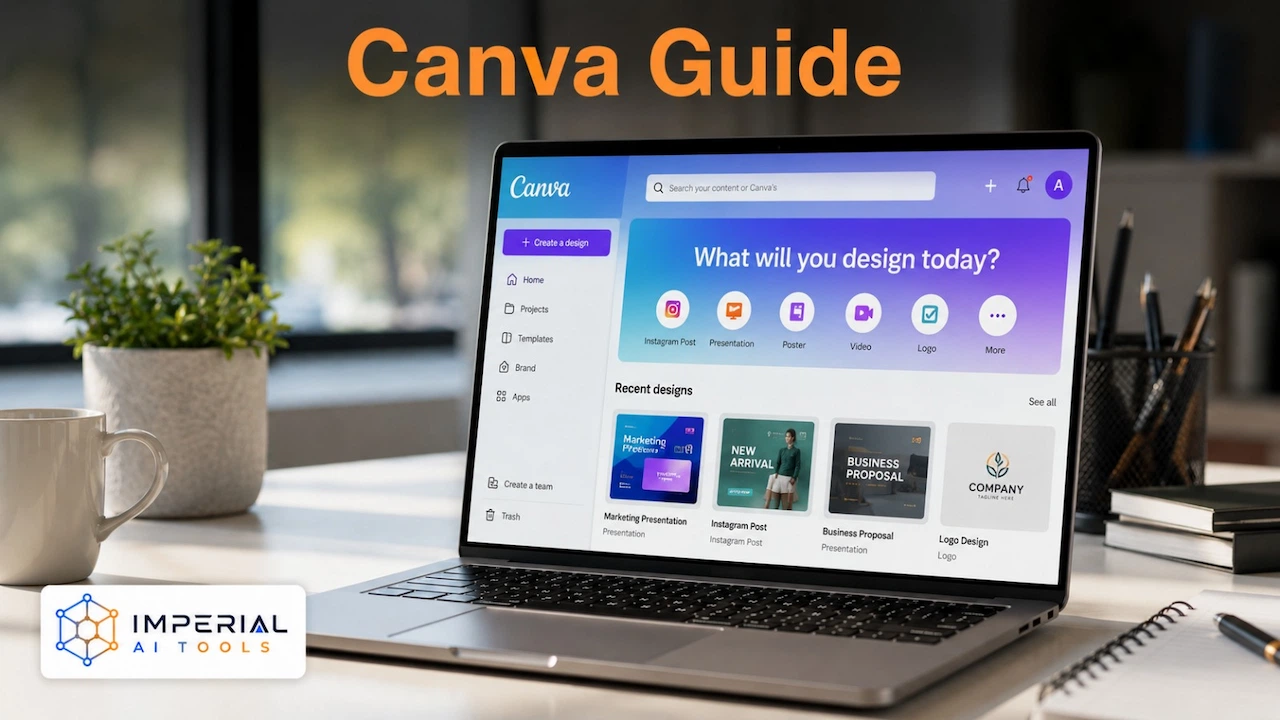
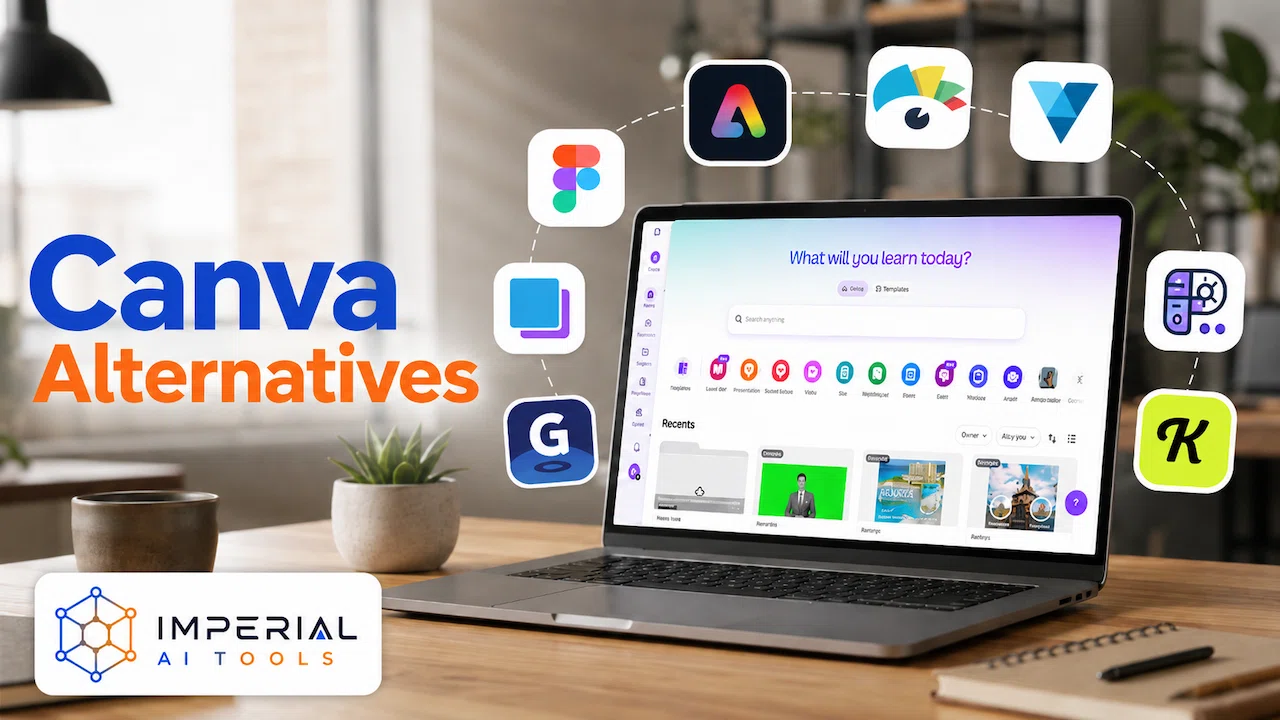
Canva is a web based design platform that lets anyone create visual content without training in graphic design. Melanie Perkins, Cliff Obrecht, and Cameron Adams founded the company in Sydney, Australia, in 2013. Perkins built the idea after tutoring university students who struggled with complex tools like Photoshop and Illustrator. She wanted something simpler, so she built Fusion Books, a yearbook design tool, then expanded that concept into the full Canva platform. Today Canva serves individuals, small businesses, marketing teams, educators, and large enterprises. The platform covers social media graphics, presentations, documents, videos, and print materials. Its main purpose is to remove the technical barrier between an idea and a finished visual. Anyone with a browser can open Canva and start designing within minutes, no downloads or design degree required.
Quick Overview: Canva is a browser based design tool with an AI suite called Magic Studio. It generates images, writes copy, builds layouts, and edits photos from simple prompts. Free and paid plans are both available, with Canva Pro priced around $15 per month. It suits marketers, small business owners, students, and content creators who need fast, professional looking visuals without hiring a designer.
“Design used to be difficult, expensive, and time consuming. We wanted to build something anyone could pick up in minutes and still feel proud of.”
How Does Canva Work?
Canva runs entirely in the browser, with desktop and mobile apps available too. Users start with a blank canvas or pick from thousands of templates sorted by format and purpose. Drag and drop editing lets anyone move text, photos, and shapes around a page. In 2026, Canva’s AI layer, called Magic Studio, sits inside nearly every part of the workflow. A user can type a prompt like “create a flyer for a bakery opening” and the Conversational AI feature returns an editable layout in seconds. The AI pulls from Canva’s own design models along with licensed third party models for image generation. Once a design exists, users can resize it for different platforms, add animation, or export it as an image, PDF, or video file. Teams can collaborate on the same design in real time, similar to working in a shared document.
Key Features
Magic Studio bundles more than a dozen AI tools into the Canva editor. The most useful ones include:
- Dream Lab, a text to image generator built on Leonardo AI’s Phoenix model, which Canva acquired in 2024
- Magic Write, an AI copywriting tool that drafts captions, headlines, and short marketing text
- Magic Design, which builds full layouts from a text prompt or an uploaded photo
- Magic Switch, which converts one design into dozens of platform specific formats and can translate content into other languages
- Magic Eraser and Magic Expand, which remove unwanted objects from photos or extend an image beyond its original borders
- Magic Animate, which turns static designs into short motion clips
Beyond Magic Studio, Canva includes a stock library with more than 140 million photos, videos, and graphics, a Brand Kit for storing logos and brand colors, and Canva Sheets for basic data visualization.
Performance and Experience
Canva’s interface stays simple even as its feature list grows. New users can produce a usable design within their first few minutes on the platform. The drag and drop editor responds quickly, and AI features like Magic Design typically return results in under fifteen seconds. Image quality from Dream Lab works well for social posts and presentation graphics, though it falls short of specialized image generators when photorealism matters most. Magic Write handles short form copy reasonably well, but it lacks the depth needed for long form content strategy or SEO focused writing. The learning curve is gentle for basic design work and gets steeper only when users explore advanced brand controls or the newer Canva Code and Canva Sheets tools.
Integrations and Compatibility
Canva connects with a wide range of external platforms. Users can publish directly to social channels like Instagram, Facebook, and LinkedIn through Canva’s built in scheduler. The Canva Connect API lets developers build custom integrations, and a growing Apps marketplace adds tools from third party providers. Canva also acquired Affinity in 2024, a professional editing suite that competes with Adobe’s desktop products, and made it free to use. This gives Canva users a path into more advanced photo and vector editing without leaving the ecosystem. Enterprise customers get single sign on support and administrative controls for managing teams at scale.
Who Should Use It?
Best for:
- Small business owners who need marketing visuals without hiring a designer
- Social media managers producing high volumes of platform specific content
- Students and educators building presentations and study materials
- Marketing teams that want a shared Brand Kit across a whole organization
Not ideal for:
- Professional designers who need pixel level control comparable to Adobe Illustrator
- Content teams that need deep SEO research or long form writing tools
- Users who need highly photorealistic AI image generation for commercial photography work
Imperial AI Tools Feedback
Canva earns its reputation as one of the most accessible design platforms available. Magic Studio genuinely speeds up repetitive tasks, especially Magic Switch, which turns one design into many formats in seconds. The free plan is generous enough for casual users, and Canva Pro adds real value for anyone producing content regularly. That said, Canva is not a replacement for specialized tools. Dream Lab’s images look flatter than dedicated image generators, and Magic Write struggles with anything beyond short marketing copy. The credit system for premium AI features can also feel unpredictable, since some actions consume more credits than expected. Overall, Canva remains a strong choice for non-designers and teams who value speed and simplicity over pixel perfect control. It helps users produce professional looking work fast, even without formal design training.
Suggestions For Improvement
- Make the AI credit system easier to understand before a user spends credits
- Improve Dream Lab’s photorealism to compete with dedicated image generators
- Add deeper research and citation tools to Magic Write for long form content
- Simplify the Magic Studio menu so fewer than 40 tools feel overwhelming
- Offer clearer guidance on setting up Brand Kit before using AI features
- Expand API documentation for developers building on Canva Connect